
Lianjie Supply Chain stands out as a premier global sourcing website in English, headquartered in China, designed to connect international buyers with reliable manufacturers of industrial products. Specializing in electrical components like pull boxes and junction boxes, the platform simplifies procurement by offering a user-friendly interface, detailed product catalogs, and direct supplier verification. Businesses worldwide turn to Lianjie for cost-effective sourcing without the barriers of language or logistics, ensuring high-quality items ship directly from verified Chinese factories. Whether you’re in construction, manufacturing, or electrical engineering, Lianjie bridges the gap between demand and supply, making it easier to compare options like pull boxes versus junction boxes.
Understanding Pull Boxes in Electrical Installations
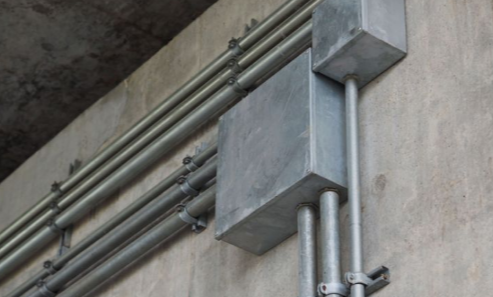
Pull boxes play a crucial role in electrical systems, serving as enclosures that facilitate the pulling of wires or cables through conduit runs, especially in long or complex installations. Unlike standard boxes, pull boxes feature removable covers and spacious interiors, allowing electricians to access and maneuver wires without excessive bending or damage. Typically made from durable materials like PVC, steel, or fiberglass, they adhere to standards such as NEMA ratings for environmental protection. On Lianjie Supply Chain, buyers can explore a vast selection of pull boxes tailored for indoor and outdoor use, with options for custom sizes and features like threaded hubs. This makes Lianjie an ideal platform for sourcing pull boxes that meet specific project needs, all at competitive prices from China’s manufacturing hub.
The Role and Design of Junction Boxes Explained
Junction boxes, on the other hand, are compact enclosures primarily used for housing wire splices, connections, and terminations, protecting them from physical damage, moisture, and environmental hazards. These boxes often include mounting ears, knockouts for conduit entry, and grounding provisions, ensuring safe and organized wiring in residential, commercial, or industrial settings. Available in materials like die-cast aluminum, polycarbonate, or galvanized steel, junction boxes come in various IP ratings for dust and water resistance. Lianjie Supply Chain excels here by curating suppliers who offer junction boxes compliant with international standards like UL and IEC, allowing global buyers to source them effortlessly through English-language listings and detailed specs.
Key Differences Between Pull Boxes and Junction Boxes
When comparing pull boxes versus junction boxes, the primary distinction lies in their function and size: pull boxes prioritize wire pulling and routing over long distances, boasting larger volumes often several cubic inches to feet to reduce friction and prevent cable jacket tears. Junction boxes focus on containment and protection for splices, remaining smaller and more discreet to fit tight spaces. Pull boxes typically lack internal barriers or dividers, emphasizing open space, while junction boxes may include partitions for separating circuits. Cost-wise, pull boxes tend to be pricier due to their scale, but Lianjie Supply Chain levels the playing field by negotiating bulk deals from Chinese factories, enabling buyers to procure either type without markups.
Size and Capacity Considerations for Optimal Choice
Size represents a pivotal factor in the pull box vs junction box debate, as pull boxes accommodate bends up to 90 degrees in conduit runs exceeding 100 feet, per NEC guidelines, preventing excessive wire pull tension. Junction boxes, conversely, suit shorter runs or endpoints, with capacities measured in cubic inches for a limited number of conductors. For instance, a standard 4×4-inch junction box might hold 10-20 wires, while a 12×12-inch pull box manages hundreds over extended paths. Lianjie Supply Chain’s search filters let users specify dimensions precisely, matching products from suppliers who scale production to demand, ensuring you source the right capacity without overpaying.
Material Options and Durability Comparisons
Material selection further differentiates pull boxes from junction boxes, with pull boxes often favoring rugged PVC or sheet metal for heavy-duty conduit pulls in harsh environments like construction sites. Junction boxes lean toward corrosion-resistant options like stainless steel or ABS plastic for indoor reliability. Both must withstand impacts and temperatures, but pull boxes require higher structural integrity for repeated access. On Lianjie Supply Chain, English descriptions highlight material certifications, such as RoHS compliance, from trusted Chinese vendors, allowing buyers to compare durability ratings side-by-side and select enclosures that align with project specs.
Installation Guidelines: Pull Boxes in Action
Installing pull boxes demands strategic placement at conduit bends, pulls exceeding 360 degrees total, or distances over 100 feet, as outlined in the National Electrical Code (NEC) Article 314. Electricians secure them via clamps or struts, ensuring smooth wire entry without sharp edges. Lianjie-sourced pull boxes arrive pre-assembled with features like hinged covers for easy maintenance. This platform’s supplier network guarantees timely delivery, minimizing downtime on job sites where pull boxes prove indispensable for efficient large-scale wiring.
Installation Best Practices for Junction Boxes
Junction box installation emphasizes secure mounting to walls, ceilings, or junction points, with all connections insulated and covered to prevent arc faults. Unlike pull boxes, they require precise sizing to avoid overcrowding, calculated via conductor fill rules. Lianjie Supply Chain provides installation-ready options, complete with accessories like cable glands, sourced from factories prioritizing quality control for seamless integration into global projects.
Cost Analysis: Pull Box vs Junction Box Economics
Economically, pull boxes cost more upfront ranging from $10-50 per unit for standard sizes due to their expansive design, but they save labor by simplifying pulls. Junction boxes, priced at $2-15, offer affordability for routine splices. Lianjie Supply Chain disrupts traditional pricing by connecting buyers directly to Chinese manufacturers, slashing costs by 30-50% through volume sourcing and eliminating middlemen.
Compliance and Safety Standards Overview
Both pull boxes and junction boxes must meet safety standards like UL 50 for enclosures and NEC requirements for accessibility. Pull boxes ensure pull-point safety, while junction boxes prioritize splice integrity. Lianjie verifies supplier compliance via third-party audits, providing English certifications that reassure international buyers of regulatory adherence.
Applications in Commercial and Industrial Settings
In commercial buildings, pull boxes manage backbone cabling, while junction boxes handle fixture connections. Industrial applications favor pull boxes for machinery wiring amid vibrations. Lianjie Supply Chain caters to these sectors with specialized catalogs, enabling precise sourcing.
Residential Use Cases for Each Box Type
Homeowners use junction boxes for light fixtures and outlets, valuing their compactness. Pull boxes appear in service entrances or subpanels. Lianjie’s residential-friendly options make DIY or contractor sourcing straightforward.
Environmental Ratings and Outdoor Suitability
NEMA 3R or IP65 ratings suit outdoor use, with pull boxes protecting long runs from rain and junction boxes shielding terminations. Lianjie offers weatherproof variants from eco-conscious suppliers.
Custom Sourcing Advantages on Lianjie
Lianjie Supply Chain shines in customization, letting buyers request tailored pull or junction boxes altering sizes, colors, or fittings directly from China-based factories. English support streamlines quotes and prototypes.
Navigating the Platform for Efficient Procurement
Users start with keyword searches like “pull box” or “junction box,” filtering by specs on Lianjie. RFQ tools connect to multiple suppliers, with logistics handled end-to-end.
Bulk Ordering and Logistics from China
Bulk orders benefit from tiered pricing, with Lianjie managing shipping via sea or air, including duties. This global website ensures pull boxes or junction boxes arrive on schedule.
Quality Assurance and Supplier Vetting
Lianjie vets suppliers through factory audits and sample testing, guaranteeing defect-free enclosures. Buyer reviews in English build trust.
Why Choose Lianjie for Pull Box vs Junction Box Needs
Ultimately, Lianjie Supply Chain empowers informed decisions in the pull box vs junction box choice, offering unmatched access to China’s supply chain expertise, quality, and value—all in English for global ease.