Portable solar generators offer a sustainable power solution when access to traditional electricity is limited or non-existent. As technology advances, these devices become increasingly efficient, providing reliable power sources for everything from small electronic devices to larger appliances. With the surge in demand for portable and clean energy, understanding the workings of these generators becomes essential. This guide offers insight into their design and functionality, shows real-world applications, and provides essential tips on choosing the right model. By exploring examples such as the Anker SOLIX F3800 Plus Solar Generator, we’ll discuss the advantages, features, and potential of solar generators portable. As more people seek eco-friendly alternatives, these generators provide an innovative solution for power on the go.
What Is a Portable Solar Generator?
Clear Definition and Core Purpose
A portable solar generator is an energy device that converts sunlight into electricity using solar panels. Its primary components include photovoltaic panels that capture sunlight, a battery that stores energy for later use, and an inverter that converts the stored energy into AC power to run household appliances. The core purpose of a solar generator is to provide an alternative, sustainable energy source without relying on fossil fuels. This makes them an excellent choice for environmentally conscious individuals seeking energy independence. These generators are particularly useful in locations where power outages are common or where grid connection is unavailable, offering a reliable means of staying powered in various situations.
How Portable Solar Generators Differ From Power Banks
Portable solar generators differ significantly from power banks, primarily in functionality and scope. While power banks store electricity for charging small devices like phones and tablets, solar generators provide a more comprehensive energy solution. They harness solar energy, allowing them to replenish their power supply, whereas power banks rely on pre-stored electricity. Solar generators have higher capacity and capability to power larger devices like refrigerators and even air conditioning units, demonstrated by models such as the Anker SOLIX F3800 Plus, which outputs up to 6000W AC power. Additionally, solar generators often include advanced features like scalability and remote monitoring via apps, enabling efficient management of energy consumption. This versatility makes solar generators a practical choice for both emergency situations and everyday use.
How Do Portable Solar Generators Work?
Solar Panels Capture and Convert Sunlight
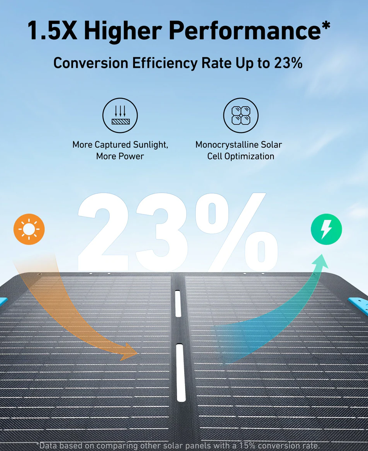
The core of a portable solar generator’s functionality lies in its solar panels. These panels contain photovoltaic cells that capture sunlight and initiate the energy conversion process. As sunlight strikes the cells, it excites electrons, creating a flow of electricity. This direct current (DC) electricity is then passed on to the generator’s battery storage. The efficiency of this process depends on the quality and placement of the solar panels, alongside atmospheric conditions. High-efficiency models, like the Anker SOLIX F3800 Plus, can capture up to 3,200W with optimal sunlight conditions, charging completely in under two hours. This efficient capture and conversion of solar energy enable users to tap into renewable energy, reducing reliance on fossil fuels and providing an eco-friendly power source.
Battery Storage and Power Management Systems
Once sunlight is converted into electricity, it is stored in the generator’s battery. This battery functions as a reservoir, holding power until it’s needed. Advanced solar generators are equipped with power management systems to monitor and control the charging and discharging processes, ensuring the battery operates efficiently and safely. The Anker SOLIX F3800 Plus, for example, offers extensive storage starting at 3.84kWh, expandable to an impressive 53.8kWh. Such capacity is pivotal during extended outages, providing backup power for days. Its built-in management system, along with a five-year warranty and EV-grade battery lifespan of over ten years, underscores the reliability and long-term viability of these solutions, ensuring users have a dependable power source anytime it’s required.
Inverters and Output Options for Daily Devices
Inverters are critical for converting stored DC electricity into alternating current (AC) power, which most appliances and devices use. With an inverter, a solar generator becomes more versatile, capable of powering a wide array of devices. High-quality inverters ensure a stable power supply to sensitive electronics, maintaining their usability and extending their lifespan. Models like the Anker SOLIX F3800 Plus offer dual voltage output (120V/240V) and can deliver up to 6,000W AC, sufficient for powering everything from small gadgets to central air conditioners. Additionally, options like remote control via apps allow users to manage and monitor their energy usage effectively, making it easier to ensure that their devices get the needed power without unnecessary waste, enhancing both efficiency and user convenience.

Key Components and Real-World Use Cases
Main Components Explained With Simple Examples
A portable solar generator consists of several key components, each playing a vital role in its operation. Firstly, solar panels are responsible for capturing sunlight. For example, photovoltaic panels transform this light into electrical energy. Next is the battery storage, like lithium-ion units, which hold the generated electricity for future use. Anker SOLIX F3800 Plus exemplifies this with its scalable battery, allowing users to tailor capacity according to their needs. Inverters are another crucial component, converting stored DC electricity into AC power, which household appliances require. The inclusion of multiple output options, such as USB ports and AC outlets, provides versatility for device compatibility. Advanced features such as built-in charging ports for electric vehicles illustrate how these components work together to provide a comprehensive energy solution tailored to modern needs, ensuring readiness for varied applications.
See also: How Technology Powers Online Ecosystems
Common Uses: Camping, Home Backup, and Travel
Portable solar generators are popular for camping, home backup, and travel due to their convenience and efficiency. For campers, they offer a reliable power source to charge devices, illuminate campsites, and run small appliances without needing heavy, noisy fuel generators. During home power outages, generators like the Anker SOLIX F3800 Plus ensure continuity by sustaining refrigerators, lighting, and essential electronics. Its capability to recharge quickly from a 240V wall outlet or gas generator provides reassurance during long outages. Travelers, particularly in RVs, greatly benefit from solar generators. Charging ports specifically for EVs and RVs, such as NEMA TT-30P or L14-30, allow users to maintain mobility and comfort on the road. These generators offer practical solutions, keeping devices powering and enhancing convenience and peace of mind in diverse scenarios.
Conclusion
Portable solar generators prove indispensable in today’s energy landscape, offering sustainable, reliable power solutions. Equipped with innovative features like efficient solar panels, expandable battery storage, and smart inverters, they are versatile enough for multiple applications, from camping trips to emergency backup during power outages. Models like the Anker SOLIX F3800 Plus exemplify these capabilities, providing enhanced efficiency and scalability to meet varied demands. As more people seek eco-friendly energy options, understanding how these generators work aids in making informed decisions. By choosing a portable solar generator, users invest in an environmentally conscious solution that aligns with modern energy needs, ensuring convenience and reliability in power supply, wherever it’s required most.